
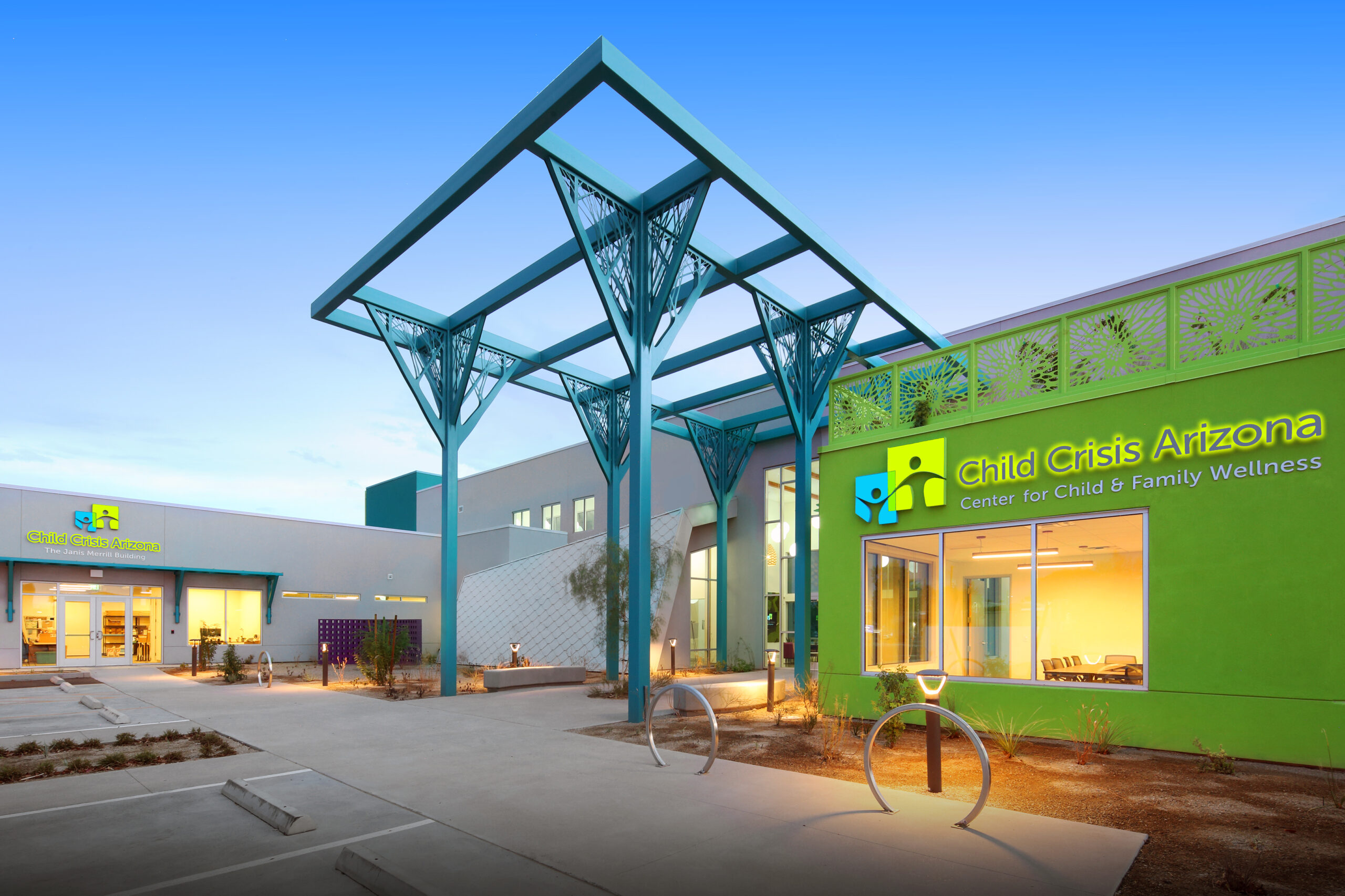
We scope Non-Profit Facilities for Boise commercial buildings with documented access, drainage, membrane, storm, and budget notes.
Roof decisions for Non-Profit Facilities need records that survive more than one budget meeting. We document the roof against Treasure Valley summer heat, UV exposure, wildfire smoke residue, and dry roof membrane movement, Micron's Boise semiconductor campus and supplier traffic on the southeast side, and Meridian's Ten Mile and Eagle Road commercial growth with retail, office, and medical rooftops because those conditions change crew access, membrane movement, drainage risk, and the way an owner compares repair against replacement. We write the first scope so it can be read by a property manager, facility lead, contractor, lender, or tenant representative without translating roofing shorthand.
Our first walk on Non-Profit Facilities looks for the defects that decide the rest of the job: wet insulation, open laps, loose edge metal, clogged scuppers, soft spots around drains, failed pitch pockets, loose counterflashing, rooftop-unit curb movement, and prior repairs that were never tied back into the roof record. A Boise roof can look quiet from the parking lot and still have moisture trapped below the membrane after snowmelt, irrigation overspray, or a short thunderstorm that found a bad detail.
Access is part of the scope. Downtown Main Street buildings, Old Boise restaurant blocks, airport-adjacent properties, Boise State campus buildings, and I-84 industrial roofs do not all give a crew the same ladder point or loading area. We identify roof hatch control, lift placement, disposal routes, delivery timing, tenant communication, and no-work windows before the work starts. That keeps Non-Profit Facilities from becoming a building-operations problem.
The system decision is practical. TPO, EPDM, PVC, KEE, modified bitumen, built-up asphalt, spray foam, silicone, acrylic, R-panel metal, and standing seam each solve different problems on Boise buildings. We compare slope, deck type, existing layer count, attachment, fire rating, penetrations, traffic, warranty expectations, wind exposure, UV aging, and whether a recover is legal and sensible. The lowest number is not useful if it ignores trapped moisture or drainage.
Boise weather shapes the details. Summer heat and UV can shrink old membranes and stress seams. Winter freeze-thaw can open small defects around curbs and drains. Wind can lift loose coping and expose seams. A hail mark on a membrane, metal cap, skylight frame, or coating is not automatically the whole story; we separate cosmetic conditions from functional damage and keep the photo record organized.
For Non-Profit Facilities, drainage deserves its own notes. We check primary drains, overflow scuppers, gutters, conductor heads, crickets, saddles, ponding pockets, and roof areas where past repairs changed the plane. A new patch can fail early if water still sits in the same low spot. When drainage is part of the problem, the scope needs to say so before the owner compares bids.
We keep claim-related language contractor-side. If a storm file is involved, we document observed conditions, measurements, photos, emergency dry-in work, and recommended roof scope. We do not promise claim approval, settlement results, or adjusting outcomes. The useful roof file is factual: what we saw, where we saw it, what it affects, what is temporary, and what remains unresolved.
Budget planning for Non-Profit Facilities is usually a sequence, not a single line item. Some Boise owners need a leak stopped before tenant hours. Others need a recover budget before refinance, a capital plan before lease renewal, or a replacement scope that can be issued for competitive pricing. We separate immediate repairs, monitored conditions, design assumptions, and replacement triggers so the owner is not forced into one oversized decision.
Communication matters after the roof visit. We organize photos by roof area, call out roof access limits, note material assumptions, list exclusions, and identify the details that should be watched during the next season. That matters for properties in Boise, Meridian, Nampa, Caldwell, Eagle, Garden City, Kuna, and Star because ownership and management teams often compare multiple buildings at the same time.
Procurement language for Non-Profit Facilities should be tight enough for comparison. If two proposals use different assumptions for insulation thickness, edge metal, tear-off quantity, night work, crane time, interior protection, warranty term, or drain work, the owner is not comparing the same roof. We call out those assumptions in plain language so the final decision does not depend on hidden exclusions.
Safety and sequencing also belong in the roof file. Boise buildings can have public sidewalks, school drop-off lanes, loading docks, restaurant patios, medical entrances, forklift paths, and tenant parking under the roof edge. We identify pedestrian control, material staging, weather stop points, hot-work limits, and daily cleanup expectations before those items interrupt the job.
Closeout on Non-Profit Facilities should leave a usable trail. We want the next manager, buyer, contractor, or facilities lead to understand what was repaired, what was deferred, what system was assumed, what weather risk remains, and what should be checked first after the next wind, hail, snowmelt, or heat cycle. That is how a roof file keeps value after the invoice is paid.
If Non-Profit Facilities is already affecting operations, we start with containment, roof access, moisture risk, drainage, membrane condition, edge metal, and a written scope that the decision maker can actually use. Bring us the address, leak history, roof age if known, interior photos, tenant restrictions, and any prior invoices. We will turn those loose pieces into a Boise roof file that supports the next repair, maintenance, restoration, recover, or replacement decision.
The extra review for Non-Profit Facilities focuses on roof traffic, curb details, service ladders, rooftop equipment, and the places where small defects repeat after crews leave. Boise owners get better pricing when those details are named in the scope instead of discovered after mobilization.
Leak points, drainage, seams, penetrations, edge metal, roof access, and interior risk should be clear before the next roof decision is priced.
Immediate repair, maintenance, coating, recover, and replacement choices should be measured against roof age, moisture risk, tenant disruption, and budget timing.
A site visit is useful when the owner needs a documented roof condition, active leak response, storm review, or a clearer capital plan.